Flint Office
1303 S. Linden Rd., Suite D
Flint, MI 48532


Flat feet, also called fallen arches, can contribute to foot, ankle, and lower leg discomfort due to poor arch support and misalignment. In some cases, a series of exercises for flat feet may help strengthen the arch and surrounding muscles. These include movements that raise the arch, such as controlled heel lifts and arch raises, which help activate the muscles on the inside of the foot. Toe-based exercises may also be advised to improve strength in the forefoot and toes. A podiatrist may suggest specific routines that target foot posture and stability, including stair-based arch lifts or exercises using resistance like towel curls. These activities work to improve arch height and may reduce stress on the foot structure. In more severe cases, custom orthotics or surgery also may be considered. A podiatrist can evaluate the structure of your feet and design a treatment that improves function and relieves discomfort. If you have pain from flat feet, it is suggested that you schedule an appointment with a podiatrist for appropriate treatment.
Flatfoot is a condition many people suffer from. If you have flat feet, contact one of our podiatrists from Community Podiatry Group. Our doctors will treat your foot and ankle needs.
What Are Flat Feet?
Flatfoot is a condition in which the arch of the foot is depressed and the sole of the foot is almost completely in contact with the ground. About 20-30% of the population generally has flat feet because their arches never formed during growth.
Conditions & Problems:
Having flat feet makes it difficult to run or walk because of the stress placed on the ankles.
Alignment – The general alignment of your legs can be disrupted, because the ankles move inward which can cause major discomfort.
Knees – If you have complications with your knees, flat feet can be a contributor to arthritis in that area.
Symptoms
Treatment
If you are experiencing pain and stress on the foot you may weaken the posterior tibial tendon, which runs around the inside of the ankle.
If you have any questions, please feel free to contact our office located in Flint, MI . We offer the newest diagnostic and treatment technologies for all your foot care needs.

Osteoarthritis of the big toe occurs when the cartilage in the main toe joint wears down, often due to aging or repeated stress on the feet. This can lead to pain, swelling, stiffness, and a limited range of motion, especially during walking or standing. The joint most commonly affected is the metatarsophalangeal, or MTP, joint, located at the base of the big toe. People may experience pain that worsens with activity and can have difficulty in bending the toe. A podiatrist can evaluate the MTP joint with imaging tests and conduct a physical exam to confirm the diagnosis. Depending on the severity, treatment options include anti-inflammatory medication or corticosteroid injections to help reduce swelling and relieve pain. If the condition progresses and causes ongoing discomfort, surgery may be needed to remove damaged tissue or realign the joint. This can help improve movement or reduce pain when other approaches have not worked. If your big toe joint becomes painful, it is suggested that you schedule an appointment with a podiatrist for an exam, diagnosis, and appropriate treatment.
Toe pain can disrupt your daily activities. If you have any concerns, contact one of our podiatrists of Community Podiatry Group. Our doctors can provide the care you need to keep you pain-free and on your feet.
What Causes Toe Pain?
Most severe toe pain is caused due to a sports injury, trauma from dropping something heavy on the toe, or bumping into something rigid. Other problems can develop over time for various reasons.
Toe pain can be caused by one or more ailments. The most common include:
When to See a Podiatrist
Diagnosis
In many cases the cause of toe pain is obvious, but in others, a podiatrist may want to use more advanced methods to determine the problem. These can range from simple visual inspections and sensation tests to X-rays and MRI scans. Prior medical history, family medical history, and any recent physical traumatic events will all be taken into consideration for a proper diagnosis.
Treatment
Treatments for toe pain and injuries vary and may include shoe inserts, padding, taping, medicines, injections, and in some cases, surgery. If you believe that you have broken a toe, please see a podiatrist as soon as possible.
If you have any questions please contact our office located in Flint, MI . We offer the newest diagnostic and treatment technologies for all your foot and ankle needs.

Foot blisters are small pockets of fluid that form from repeated friction, often caused by wearing tight shoes, sweaty feet, or long periods of walking. They usually appear on the toes, heels, or soles and can be painful or tender. While it may be tempting to pop a blister, doing so increases the risk of infection. Instead, keep it clean, dry, and protected with a bandage or blister pad. Letting the blister heal naturally is best when possible. If it breaks, clean it gently and cover it with a clean dressing. Wearing moisture-wicking socks and properly fitted shoes can help prevent future blisters. For athletes or those with diabetes, blisters should be watched closely. If a blister becomes red, warm or filled with pus, it is suggested you see a podiatrist for appropriate treatment.
Blisters are prone to making everyday activities extremely uncomfortable. If your feet are hurting, contact one of our podiatrists of Community Podiatry Group. Our doctors can provide the care you need to keep you pain-free and on your feet.
Foot Blisters
Foot blisters develop as a result of constantly wearing tight or ill-fitting footwear. This happens due to the constant rubbing from the shoe, which can often lead to pain.
What Are Foot Blisters?
A foot blister is a small fluid-filled pocket that forms on the upper-most layer of the skin. Blisters are filled with clear fluid and can lead to blood drainage or pus if the area becomes infected.
How Do Blisters Form?
Blisters on the feet are often the result of constant friction of skin and material, usually by shoe rubbing. Walking in sandals, boots, or shoes that don’t fit properly for long periods of time can result in a blister. Having consistent foot moisture and humidity can easily lead to blister formation.
Prevention & Treatment
It is important to properly care for the affected area in order to prevent infection and ease the pain. Do not lance the blister and use a Band-Aid to provide pain relief. Also, be sure to keep your feet dry and wear proper fitting shoes. If you see blood or pus in a blister, seek assistance from a podiatrist.
If you have any questions, please feel free to contact our office located in Flint, MI . We offer the newest diagnostic and treatment technologies for all your foot care needs.

Poor foot circulation can result from several underlying health conditions and often leads to discomfort and more serious complications, if left untreated. Peripheral vascular disease is a common cause, where narrowed blood vessels reduce blood flow to the limbs, often leading to pain, numbness, or a cold sensation in the feet. Heart disease can also impair circulation by limiting the heart's ability to pump blood efficiently throughout the body, including the lower extremities. Raynaud's syndrome affects circulation by causing the small arteries in the feet to constrict, especially in response to cold or stress, leading to color changes and a feeling of coldness or tingling. Symptoms of poor circulation include swelling, cramping, slow healing wounds, and a heavy or fatigued feeling in the legs and feet. If you are experiencing any of the above symptoms, it is suggested that you schedule an appointment with a podiatrist who can offer effective relief and treatment solutions.
Poor circulation is a serious condition and needs immediate medical attention. If you have any concerns with poor circulation in your feet contact one of our podiatrists of Community Podiatry Group. Our doctors will treat your foot and ankle needs.
Poor Circulation in the Feet
Poor blood circulation in the feet and legs is can be caused by peripheral artery disease (PAD), which is the result of a buildup of plaque in the arteries.
Plaque buildup or atherosclerosis results from excess calcium and cholesterol in the bloodstream. This can restrict the amount of blood which can flow through the arteries. Poor blood circulation in the feet and legs are sometimes caused by inflammation in the blood vessels, known as vasculitis.
Causes
Lack of oxygen and oxygen from poor blood circulation restricts muscle growth and development. It can also cause:
Those who have diabetes or smoke are at greatest risk for poor circulation, as are those who are over 50. If you have poor circulation in the feet and legs it may be caused by PAD and is important to make changes to your lifestyle in order to reduce risk of getting a heart attack or stroke. Exercise and maintaining a healthy lifestyle will dramatically improve conditions.
As always, see a podiatrist as he or she will assist in finding a regimen that suits you. A podiatrist can also prescribe you any needed medication.
If you have any questions, please feel free to contact our office located in Flint, MI . We offer the newest diagnostic and treatment technologies for all your foot care needs.
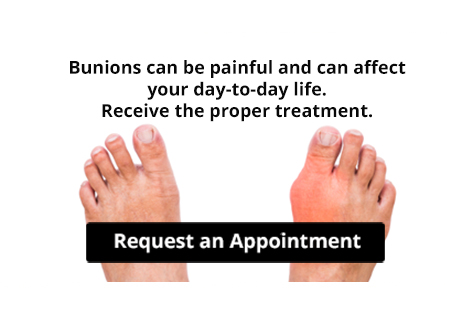
Have you noticed a bony protrusion on the side of your big toe? If so, you may have developed the foot condition known as a bunion. Don't let bunions interfere with your daily activities.