Flint Office
1303 S. Linden Rd., Suite D
Flint, MI 48532

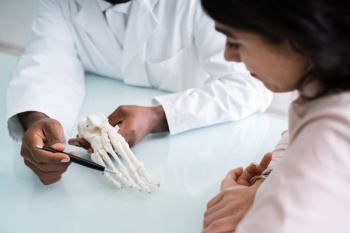
A podiatrist is a medical doctor who specializes in the care of the feet, ankles, and lower legs. This includes diagnosing and treating injuries, chronic conditions, and structural problems that affect how people walk and move. Podiatrists care for issues such as heel pain, bunions, ingrown toenails, fungal infections, arthritis, and sports-related injuries. They also play an important role in managing diabetic foot problems, nerve conditions, and wounds that require close monitoring. Beyond treating pain, podiatrists focus on prevention and long-term foot health. They may recommend footwear changes, custom orthotics, stretching programs, or lifestyle adjustments to reduce stress on the feet and joints. Many podiatrists also perform in-office procedures and surgery, when needed, to restore function and comfort. If you have ongoing foot or ankle concerns, it is suggested that you see a podiatrist for a proper diagnosis and appropriate treatment.
If you are dealing with pain in your feet and ankles, you may want to seek help from a podiatrist. Feel free to contact one of our podiatrists from Community Podiatry Group. Our doctors can provide the care you need to keep you pain-free and on your feet.
What Is a Podiatrist?
A podiatrist diagnoses and treats conditions of the foot, ankle, and related structures of the leg. Your podiatrist may specialize in a certain field such as sports medicine, wound care, pediatrics, and diabetic care. Podiatrists have the ability to become board certified through training, clinical experience, and then taking an exam.
What Do Podiatrists Do?
On a daily basis, a podiatrist may perform the following activities:
It is very important that you take care of your feet. It’s easy to take having healthy feet for granted, however foot problems tend to be among the most common health conditions. Podiatrists can help diagnose and treat a variety of feet related conditions, so it is crucial that you visit one if you need assistance.
If you have any questions, please feel free to contact our office located in Flint, MI . We offer the newest diagnostic and treatment technologies for all your foot care needs.
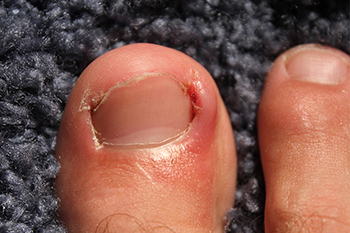
Ingrown toenail removal can offer immediate relief when the edge of a nail digs into the surrounding skin and causes swelling, redness, or sharp, persistent discomfort. This problem usually affects the big toe and can make walking or wearing shoes feel unbearable. When home care no longer helps, a minor in-office procedure can gently lift or remove the troubled nail portion and allow the skin to heal. The treatment is quick, and most people feel better almost immediately. If ingrown toenails keep returning, a podiatrist may recommend a small procedure to prevent that part of the nail from growing back. This method is safe and very effective for frequent or severe cases. Early attention helps avoid infection and speeds healing. If you notice worsening toenail pain, drainage, or difficulty walking, it is suggested that you see a podiatrist for a proper diagnosis and appropriate care.
Ingrown toenails can become painful if they are not treated properly. For more information about ingrown toenails, contact one of our podiatrists of Community Podiatry Group. Our doctors can provide the care you need to keep you pain-free and on your feet.
Ingrown Toenails
Ingrown toenails occur when a toenail grows sideways into the bed of the nail, causing pain, swelling, and possibly infection.
Causes
Prevention
Wearing proper fitting shoes and using proper cutting techniques will also help decrease your risk of developing ingrown toenails.
Treatment
Ingrown toenails are a very treatable foot condition. In minor cases, soaking the affected area in salt or antibacterial soaps will not only help with the ingrown nail itself, but also help prevent any infections from occurring. In more severe cases, surgery is an option. In either case, speaking to your podiatrist about this condition will help you get a better understanding of specific treatment options that are right for you.
If you have any questions, please feel free to contact our office located in Flint, MI . We offer the newest diagnostic and treatment technologies for all your foot care needs.

Chronic foot wounds develop when the normal healing process is disrupted. Poor circulation is a common cause, as reduced blood flow limits oxygen and nutrients needed for repair. Diabetes can damage nerves and blood vessels, making injuries harder to notice and slower to heal. Pressure from wearing ill-fitting shoes or limited mobility may repeatedly stress the same area. Infection, swelling, and untreated calluses can also keep a wound open longer than expected. Treatment focuses on addressing both the wound and the underlying cause. Care may include regular debridement, advanced dressings, infection control, and offloading pressure from the affected area. Improving blood flow, managing blood sugar, and correcting footwear problems are equally important. If a foot wound is slow to heal or recurring, it is suggested that you see a podiatrist promptly.
Wound care is an important part in dealing with diabetes. If you have diabetes and a foot wound or would like more information about wound care for diabetics, consult with one of our podiatrists from Community Podiatry Group. Our doctors will assess your condition and provide you with quality foot and ankle treatment.
What Is Wound Care?
Wound care is the practice of taking proper care of a wound. This can range from the smallest to the largest of wounds. While everyone can benefit from proper wound care, it is much more important for diabetics. Diabetics often suffer from poor blood circulation which causes wounds to heal much slower than they would in a non-diabetic.
What Is the Importance of Wound Care?
While it may not seem apparent with small ulcers on the foot, for diabetics, any size ulcer can become infected. Diabetics often also suffer from neuropathy, or nerve loss. This means they might not even feel when they have an ulcer on their foot. If the wound becomes severely infected, amputation may be necessary. Therefore, it is of the upmost importance to properly care for any and all foot wounds.
How to Care for Wounds
The best way to care for foot wounds is to prevent them. For diabetics, this means daily inspections of the feet for any signs of abnormalities or ulcers. It is also recommended to see a podiatrist several times a year for a foot inspection. If you do have an ulcer, run the wound under water to clear dirt from the wound; then apply antibiotic ointment to the wound and cover with a bandage. Bandages should be changed daily and keeping pressure off the wound is smart. It is advised to see a podiatrist, who can keep an eye on it.
If you have any questions please contact our office located in Flint, MI . We offer the newest diagnostic and treatment technologies for all your foot and ankle needs.

Pain along the inner side of the foot can interfere with walking and comfort. One frequent cause involves strain of the tendon that supports the arch, leading to aching near the ankle and midfoot. Inner-foot pain may also develop from joint irritation, where cartilage wear produces stiffness with movement. Nerve compression can result in burning or tingling along the inside of the foot, while bone stress injuries may cause pinpoint tenderness during activity. In other situations, inflammation of soft tissues or structural changes shift pressure toward the inner border over time. A podiatrist can assess alignment, joint motion, and tendon function, and use imaging to identify the source of pain. Based on evaluation, a podiatrist can recommend care to reduce pain. If you feel pain in the inner part of your foot, it is suggested that you make an appointment with a podiatrist for an exam, diagnosis, and appropriate treatment.
Foot Pain
Foot pain can be extremely painful and debilitating. If you have a foot pain, consult with one of our podiatrists from Community Podiatry Group. Our doctors will assess your condition and provide you with quality foot and ankle treatment.
Causes
Foot pain is a very broad condition that could be caused by one or more ailments. The most common include:
Diagnosis
To figure out the cause of foot pain, podiatrists utilize several different methods. This can range from simple visual inspections and sensation tests to X-rays and MRI scans. Prior medical history, family medical history, and any recent physical traumatic events will all be taken into consideration for a proper diagnosis.
Treatment
Treatment depends upon the cause of the foot pain. Whether it is resting, staying off the foot, or having surgery; podiatrists have a number of treatment options available for foot pain.
If you have any questions, please feel free to contact our office located in Flint, MI . We offer the newest diagnostic and treatment technologies for all your foot care needs.